On Sandboxes

I’m thinking about sandboxes and my proclivity toward needing to push the boundaries, color outside the lines, break the rules because they need to be broken.  I suppose this is the Aquarian in me.  I had kids before I went to college.  Married men from other cultures, one so he could stay in the country, the other who became a citizen.  I lived outside the United States and my view of the world exploded.  I left marriages that weren’t making me happy and thrived.  I blurred lines between friendship and clients.  That seems to be an important part of who I am.  And with that comes a certain amount of loneliness.  And stress.  And danger.  And messiness.  And inconvenience.  But it also deepened and enriched my life because coloring inside the lines is boring.  Boundaries are confining and some rules just are just screaming to be tested, massaged, stretched–if not broken.

Society makes rules to keep people safe and under control.  Families develop systems so they can function smoothly; people, often as children, make rules in their minds just so they can survive.  

I will never ever ever be a burden to you, mommy. 

Or 

I will never betray you like Daddy did.

Then later, 

I will withhold my sexuality because it is the cause of betrayal and violation.  

So at some point, we try expanding the sandbox, expanding the borders of the mind, expanding the perception of reality when our families and society do things that are not good for us, and we decide that we need something more because none of it actually makes any sense to us, we need to find another way.  Another compass.

I married young because of a promise I made not to be a burden to my family and because for a million reasons I needed to make distance from my family and start my own life.  But, made in haste, that life did not sustain me, and so greater forces propelled me toward resonance, reevaluation, and a whole lot of self examination.  I still don’t like being a burden on the people to whom I belong, but thank the Goddess, that’s not the driving force in my life any longer.

Life taught me that I would have to make my own rules, and they would need to align with what worked for me.  The rules that ultimately fit would have to do with integrity and congruence.  Not the logical variety, but the felt sense of rightness.  Trueness.  And just so you’re not too worried about me, I necessarily have a pragmatic respect for the law, breaking it in ways, as I’m sure you do too, that have not gotten us into too much trouble.  Driving 5 miles over the speed limit doesn’t register on my conscience in the slightest.  Broken promises to husbands still feel sad, but these I left only after the tender matrix of our union was obliterated beyond repair and I felt I had no other choice but to leave or self emmolate.  Once we’ve learned the hard way that the rules weren’t actually made for us, specifically, we learn that some of them are not even hard and fast rules at all, but rather our own ignorance that needs to be examined and updated.

Somehow, over the decades I’ve learned that the rules give us guidelines to start from.  They are a starting point.  But for some of us at least, playing outside those safe limits is where we do our best work and in fact where the work needs to be done.  The rules and principles are there to serve us as long as they are.  When they no longer serve, we have to grow and make new ones that work, and be willing to continue to change as long as we live, and that’s okay with me.  

Brothers and sisters, we are big kids now.  Our leaders tout their immunity to the rules which makes us cringe with fear of being like them.  But in all seriousness, I ask you to consider: Is playing inside the sandbox actually working for you?  

What wants to be born or created? Part V – Integration Journey

You have survived. You are transformed, with an opportunity to emerge anew. Now it’s your job to learn from your experiences, which can strengthen you and help you understand who you are and what you need to thrive. Slow down. Take this opportunity. Digest. What is it that you actually desire?

Question 5: What wants to be born or created? This question is about new ways of being or living, projects, relationships, habits, your next chapter.  What’s trying to come through you?

Whew.  Last week’s post was intense.  Not sure if you were able to hang in there for that.  This week’s post should feel a lot better.  For each of the things that I am releasing, something else emerges in its place.  As you can imagine, when you unload that kind of ancestral garbage, things start rearranging themselves in your psyche.  That has an impact on your body, your relationships, and the way you move in the world.  I’m still working on this, but here’s what it looks like in progress.

1) Love is unconditional.  When we know this, it alters our decisions, our actions, and our way of being in the world.

  • My heart opens.  I soften.
  • I commit to becoming fluent in all emotions that spring from the body/mind.
  • I have a deep inner knowing that emotions bring important information, and that none of them are negative or bad.
  • I am curious toward what is showing up in life, how my body responds, and why.
  • I have a deep inner knowing that whatever happens, I will be okay.
  • I am in perpetual gratitude for all the myriad of things, tiny and humongous, moment by moment, that are actually going well enough.
  • I have a deep inner knowing that my worth is not contingent on what I produce or how I perform.
  • I have a deep inner knowing that I do belong, and that I matter. 
  • I have a deep inner knowing that I actually have very little control over other people and the situations going on around me, and that’s okay. 
  • I have a deep inner knowing that by slowing down and being aware of my body, I can be a better version of myself.
  • I have a deep inner knowing that just by being myself, I make a valuable contribution in the world.
  • I understand that bracing, guardedness and defensiveness don’t actually protect me, but instead send signals to my brain and the beings around me that danger is near. 
  • I commit to recognizing and releasing the tension that I have habitually borne in attempts to hide and prevent the movement of emotions and the legacy of trauma from my body.

2) We are only human. And that is actually okay.  You and I are completely worthy of love and support, and we always have been.   It is right to value and seek feelings of safety and belonging.  We always have the option of doing what we need to do to feel a little bit safer.

  • When we learn what to do with our feelings, they are no longer threatening to us.
  • When we take the time to notice when we are projecting our feelings onto someone else, we can reclaim and work with our emotions and use them to better understand our needs.
  • We become people who know that our needs matter.
  • We become people who strive to balance the giving and receiving in our lives. 
  • We become people who are sometimes strong, responsible and wise, and at other times enjoy and rely upon the strength, wisdom and contributions of others. 
  • We no longer need to blame anyone for our uncomfortable feelings because we know what to do with them, and use them for our benefit.
  • If we find ourselves projecting our undesirable qualities onto others, we can quickly recognize this and do what is necessary to restore our integrity.
  • We can put down any loyalty, responsibility or grudge that does not explicitly belong to us.
  • We can bow to the fates of our ancestors, since we are not in a position to know the full truth or scope of their stories or hardships.
  • We can relinquish the need to be energetically attuned to the emotions of other people.
  • We become people who allow ourselves to receive good things from life with gratitude and delight.
  • We become people who know the difference between a gift and a transaction, and feel capable of negotiating transaction terms that work for us.
  • We become people who feel well supported.
  • We become people who know that we have great worth.
  • We become people who love and accept ourselves unconditionally.
  • We become people who appreciate and enjoy the contributions of others, and enjoy ceding control when others are willing to share their gifts.
  • We become people who are not threatened by emotions – ours or those of others.
  • We become people who accept others exactly as they are, and don’t feel compelled to fix or rescue them.
  • We become people who understand that we always have choices, and that we can usually get what we want and need.
  • We become people who feel and discern rather than project and judge.

3) It is no longer appropriate to protect others at our own expense.  We can only take our place as one human, doing our best to stay grounded and rooted in the larger living organism we comprise together.

  • I respect myself enough to allow me to be me, with all my emotions, desires, limits, needs, and gifts. 
  • I respect others enough to allow them to be responsible for themselves.
  • I am no longer bound to any vow that does not honor the whole of me. 
  • I become a person who allows her heart to open to embodied love, bonding and belonging to others.
  • I become a person who does not feel compelled to explain herself or apologize for any of her desires, needs or limits.
  • I become a person who embraces and celebrates her own yearnings, longings, and sexual energy.
  • I become a person who values and desires closeness, belonging, and deep, lasting, soul quenching intimacy.
  • I have the support I need to gently, safely and joyfully step into my power.
  • I trust myself with my largeness, my power.
  • As a steward of my body and emotions, I get to know myself and in so doing draw to me and recognize people I enjoy, and who enjoy me.  
  • Love is abundantly and ridiculously available to me.
  • I am swimming in love.  

Come back next week for Question 6: What is the medicine or teaching?

Releasing What Wants To Die – Part IV

This year, I am releasing 1) the need to pick sides, 2) the need to be right, and 3) the need to protect others at my own expense.

This is the 4th post of my Psilocybin Integration Process. If you’d like to start at the beginning, I invite you to begin here.

Question 4: What wants to die or be released? This question addresses old beliefs, patterns, habits, identities, fears, stories, thought loops.  What am I being asked to let go of?

In the very earliest moments of 2026, or maybe the last ones of 2025 it came to me.  This year, I am releasing 1) the need to pick sides, 2) the need to be right, and 3) the need to protect others at my own expense.  That’s where I was, and that was my intention for the year.  Well, apparently, the spirits of the psilocybin mushroom took my intention seriously, and catapulted me forward with regard to the things I had already put into motion.  Through this process, which I believe to be a continuation of that medicine, I take an exhaustive inventory of the inherited garbage that makes such a declaration necessary:

 1) The need to pick sides comes from sensing that love is conditional in the family of origin.

  • The need to judge (right/wrong).
  • The vow to acknowledge, feel and express only “positive” or pleasing feelings.  
  • The vow to stay guarded and protected to avoid the pain of loss and powerlessness.
  • The notion that giving is good and receiving is bad.
  • The notion that accomplishing things is good, and that being idle is bad. 
  • The belief that I must busy myself to avoid bad things.
  • The shame of being a scoundrel, of being untrustworthy, of being up to no good.
  • The decision to close the heart to avoid painful feelings.
  • The vow to keep feelings of disappointment and loss hidden, even from myself.
  • The notion that I am so shameful that I don’t belong to humanity.

2) The need to be right is also modeled in the family of origin.  The only way to be safe is to be on the right side of the right/wrong equation.

  • The need to blame someone else for my uncomfortable feelings.
  • The unspoken notion that feelings are wrong.
  • The tendency to judge, talk, work harder, or stay perpetually in motion in order to avoid feelings.
  • The identity as the one who gives and not the one who receives. 
  • The identity as the strong one, the good one, the responsible one, the wiser one. 
  • The need to blame my mother for my disappointment and discomfort of having unmet needs as an infant and small child.
  • The disappointment and blame projected by my female ancestors onto the men in their lives.
  • The need to punish men out of love and loyalty to my female ancestors because my female ancestors have been hurt and disappointed.
  • The belief that allowing myself to receive good things has a hidden cost, so I must never allow myself to be in the debt of another.
  • The belief that it is not safe to receive good things from other people.
  • The belief that it is not safe to receive support from other people.
  • The notion that I have to be in charge to be safe.
  • The notion that I have to be in charge of my emotions to be safe.
  • The notion that men are children and should not be counted on for anything I truly want.
  • The notion that women are superior to men.
  • The belief that all the good men are already taken.

3) The need to protect others at my own expense.  Growing up with addiction/mental illness, we learn to take care of our adults, hoping that if they can be okay, we can be too.  Babies and children will do anything to ensure safety, regardless of the cost to themselves.  This is biological, instinctual.

  • The notion that it is my responsibility to censor myself in the presence of others if my emotions are anything less than positive or pleasing.
  • The notion that it is my responsibility to protect people from pain and discomfort – theirs and mine.
  • The belief that I should be willing to sacrifice everything for love and belonging.
  • The notion that I must be willing to sacrifice myself so that others can be comfortable.
  • The notion that I need to do something so that others don’t have to feel uncomfortable feelings.
  • The notion that men (other people) cannot be responsible for themselves.
  • The vow to hide my “negative” feelings, even from myself.
  • The notion that I should be ashamed when I break my vows. 
  • The belief that it is dangerous to allow my heart to open to embodied love, bonding and belonging to others.
  • The notion that I can help my parents by carrying their shame and grief.
  • The notion that I need to explain myself or apologize for any of my desires, needs or limits.
  • The directive that I must protect myself against my own yearnings, longings, sexual desire.
  • The belief that all of these things are bad and extremely dangerous.
  • The directive that I must protect myself against the desire for closeness, the desire for belonging, the desire to experience deep, lasting, soul quenching intimacy.
  • The belief that all of these things are foolish, a waste of time and disruptive.
  • The fear of my own power.
  • The doubt that I can actually handle and be trusted with my power.
  • The fear of opening myself to be truly known, only to be rejected.  
  • The doubt that love is really possible for me.  

Come back next week for Question 5: What wants to be born or created?

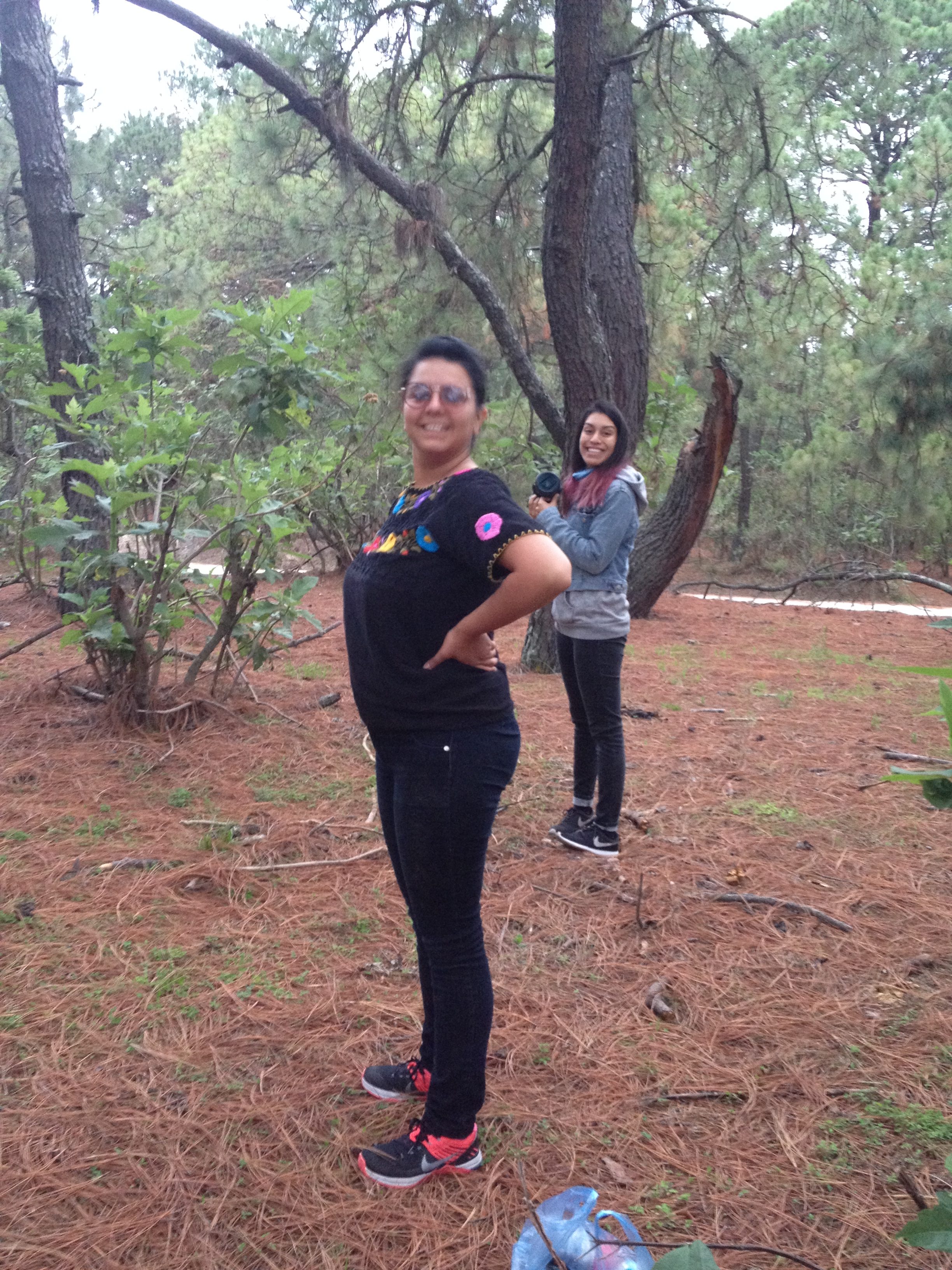
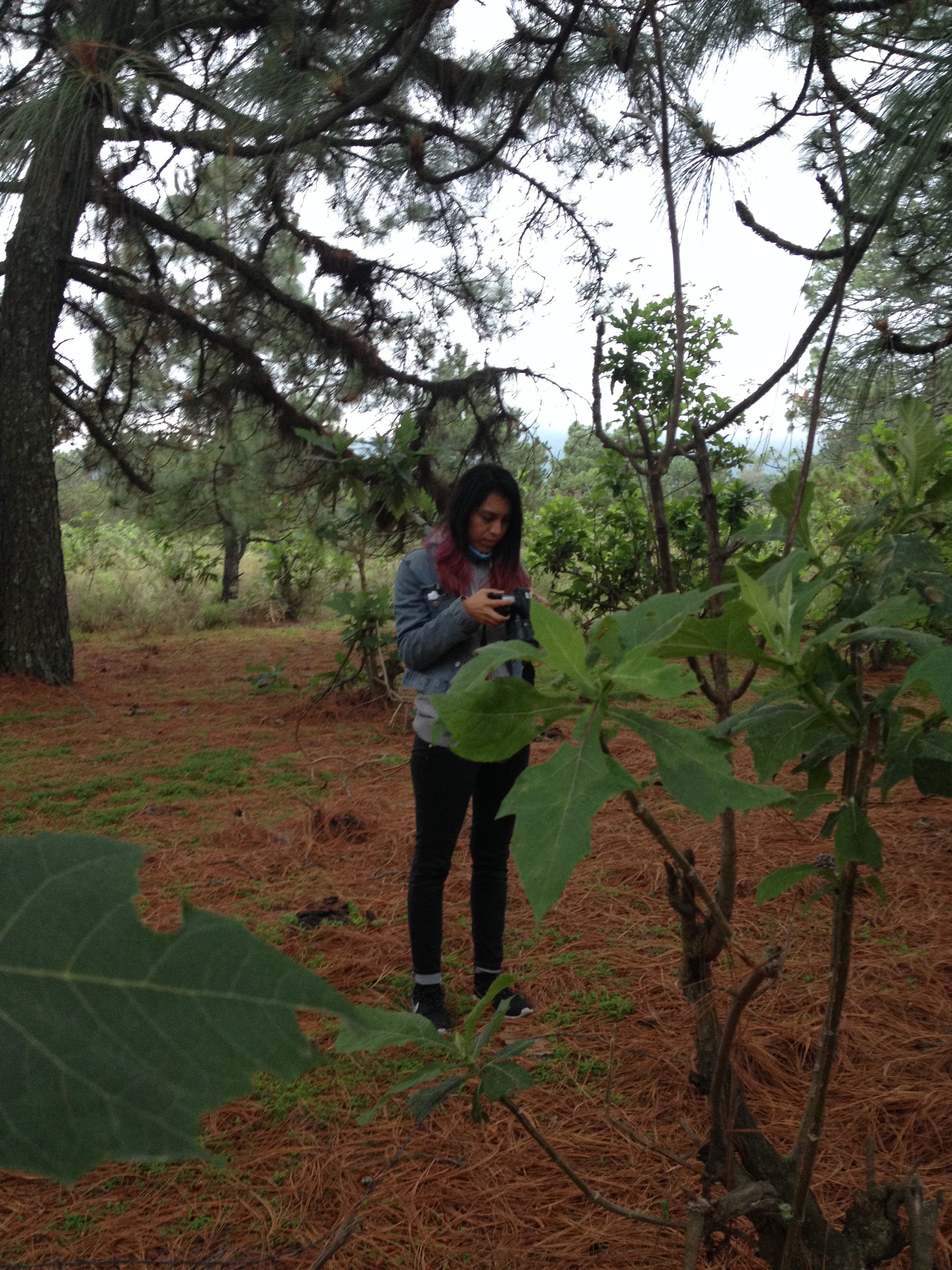
Photo Shoot – Being In My Body (Estar En Mi Cuerpo)

This is what emotional work can look like!

This past couple days has been so interesting, as I wrestle with my body’s terror about being the center of attention and knee-jerk reactions to staying present in situations where resources are coming from others to me, specifically.  It’s really stretching my mind and my understanding and challenges the wiring of my brain.  Not always fun, and not always comfortable, but always held in love and gentleness and so much kindness and creativity.

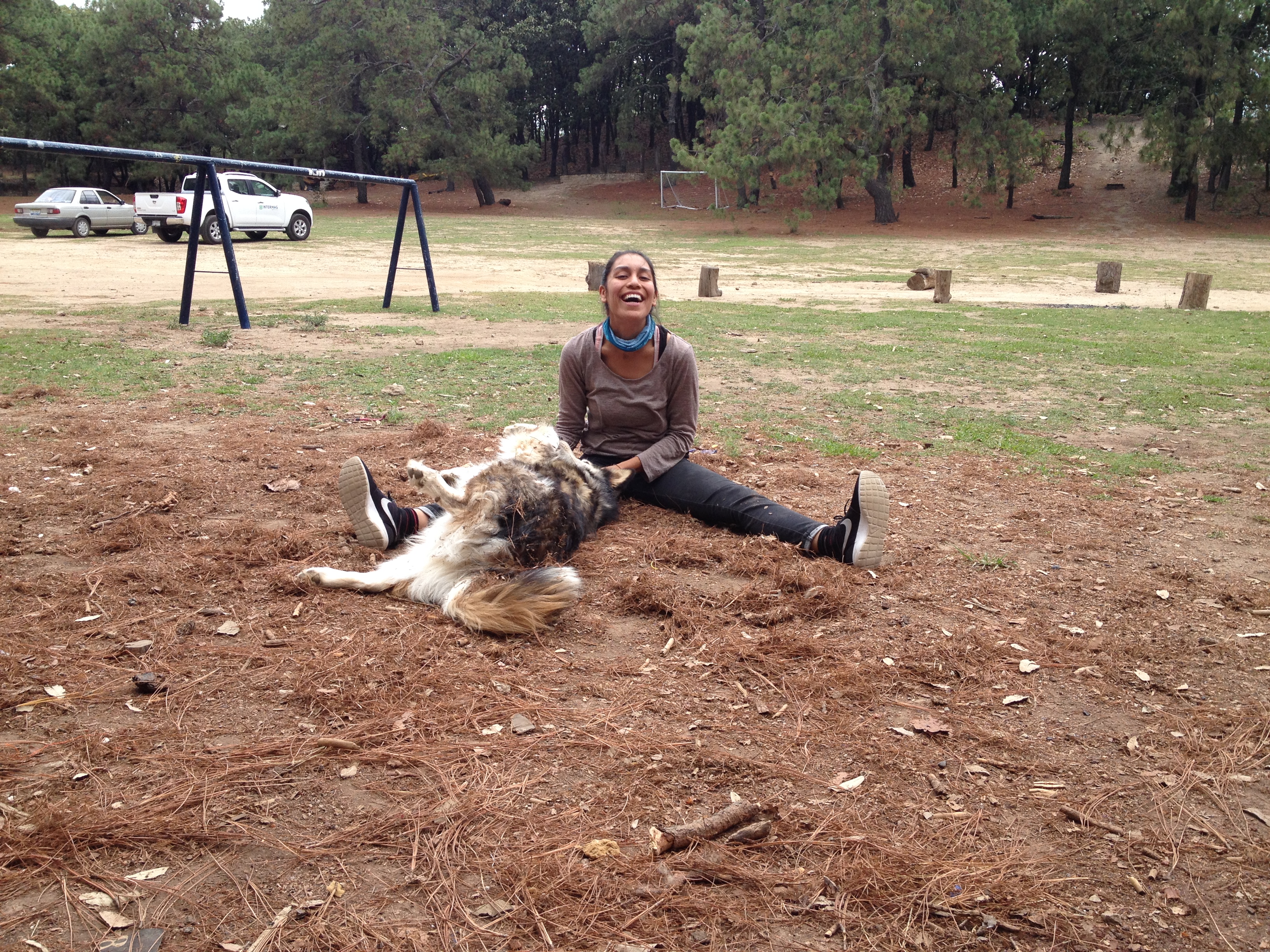
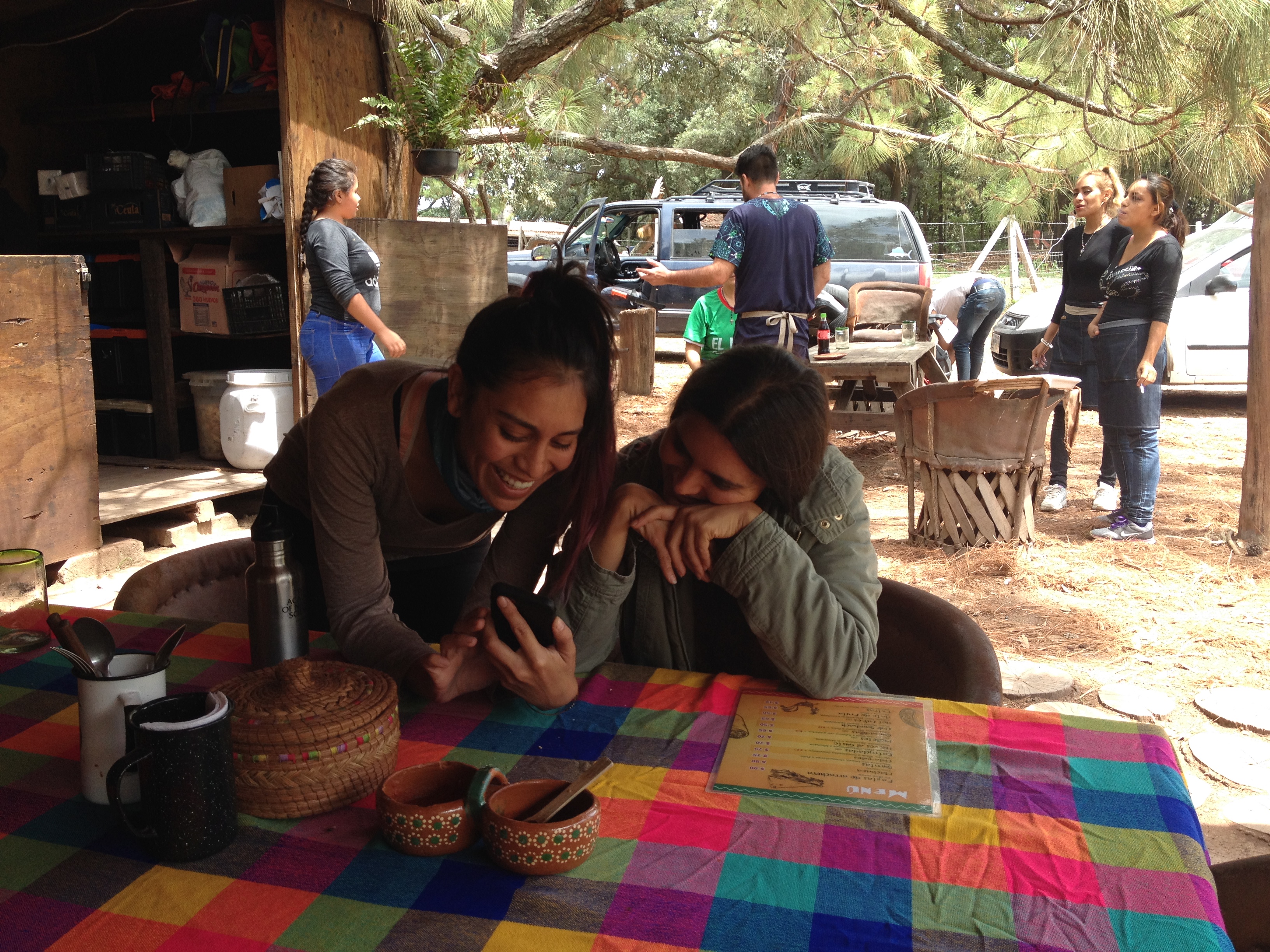
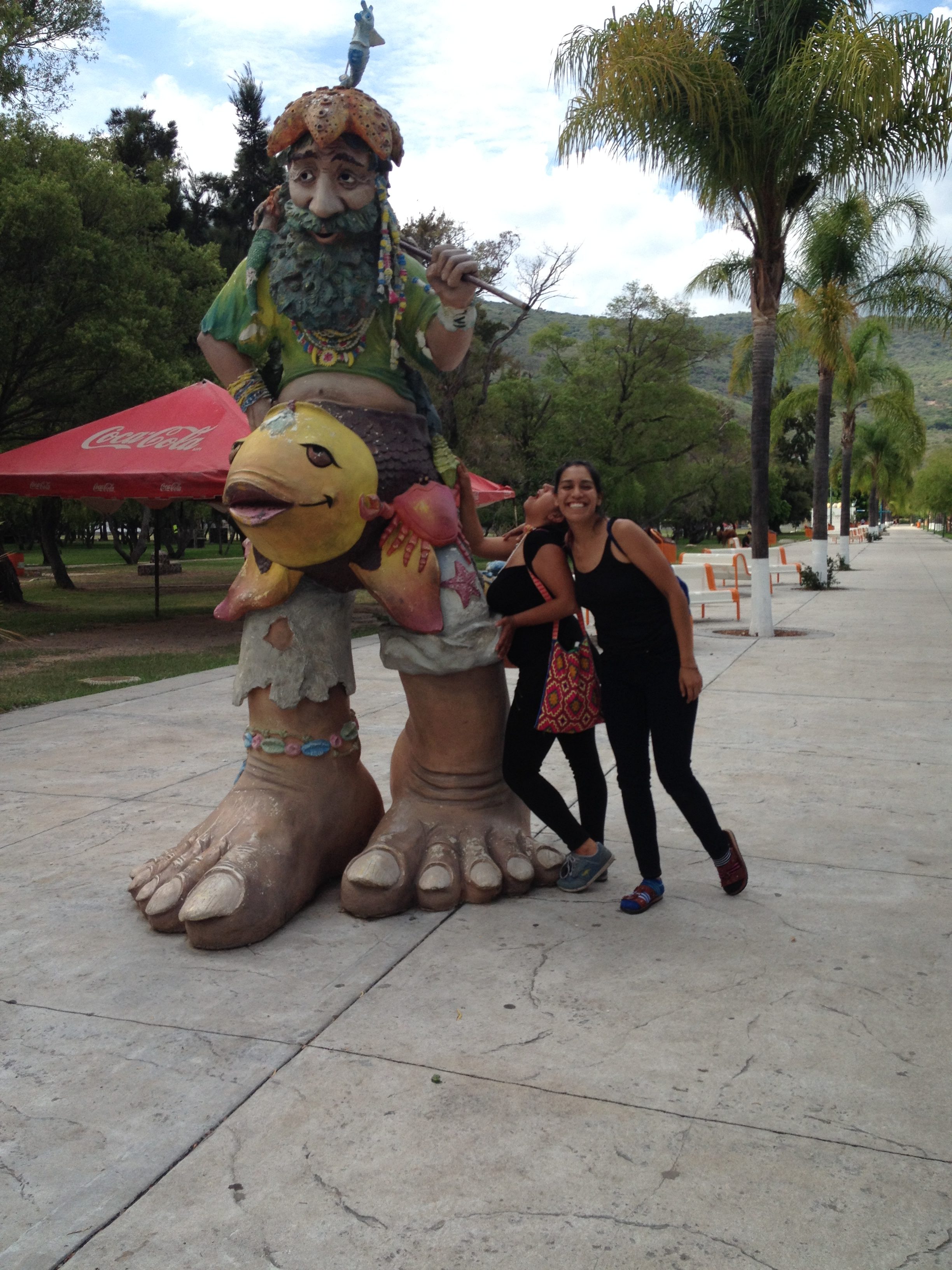
Hope you like my photo collection!  Watch for more photos from the shoot which will be appearing on Facebook and other forms of social media over the next couple months.  They will make up the launch for Estar En Mi Cuerpo, but they will be professional photographs by Kitzia, who I am sure you are going to love.  For those of you who don’t know, Estar En Mi Cuerpo is the Spanish title for Being In My Body, What You Might Not Have Known About Trauma, Dissociation, & The Brain.  The other women in the photos are so dear to my heart – my translator, Mariana and her sister, Margarita.

Margarita, setting the tone for Day 1

Mariana, Shoot Director, Translator and Publisher

Kitzia, Photographer

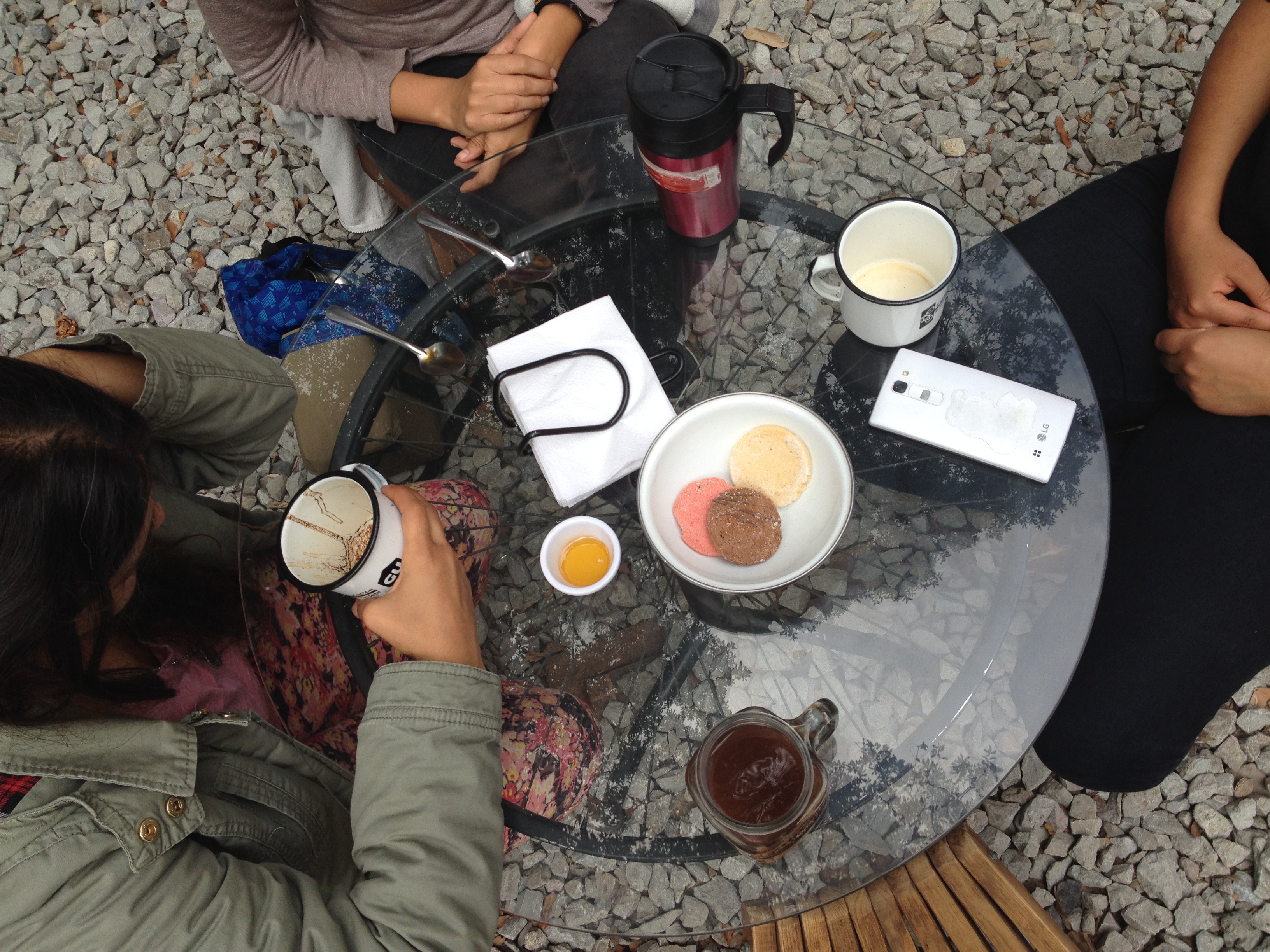
Kitzia, Mariana, Margarita, at Bicycle Snack Station

Bicycle wheel table and reading the coffee grounds

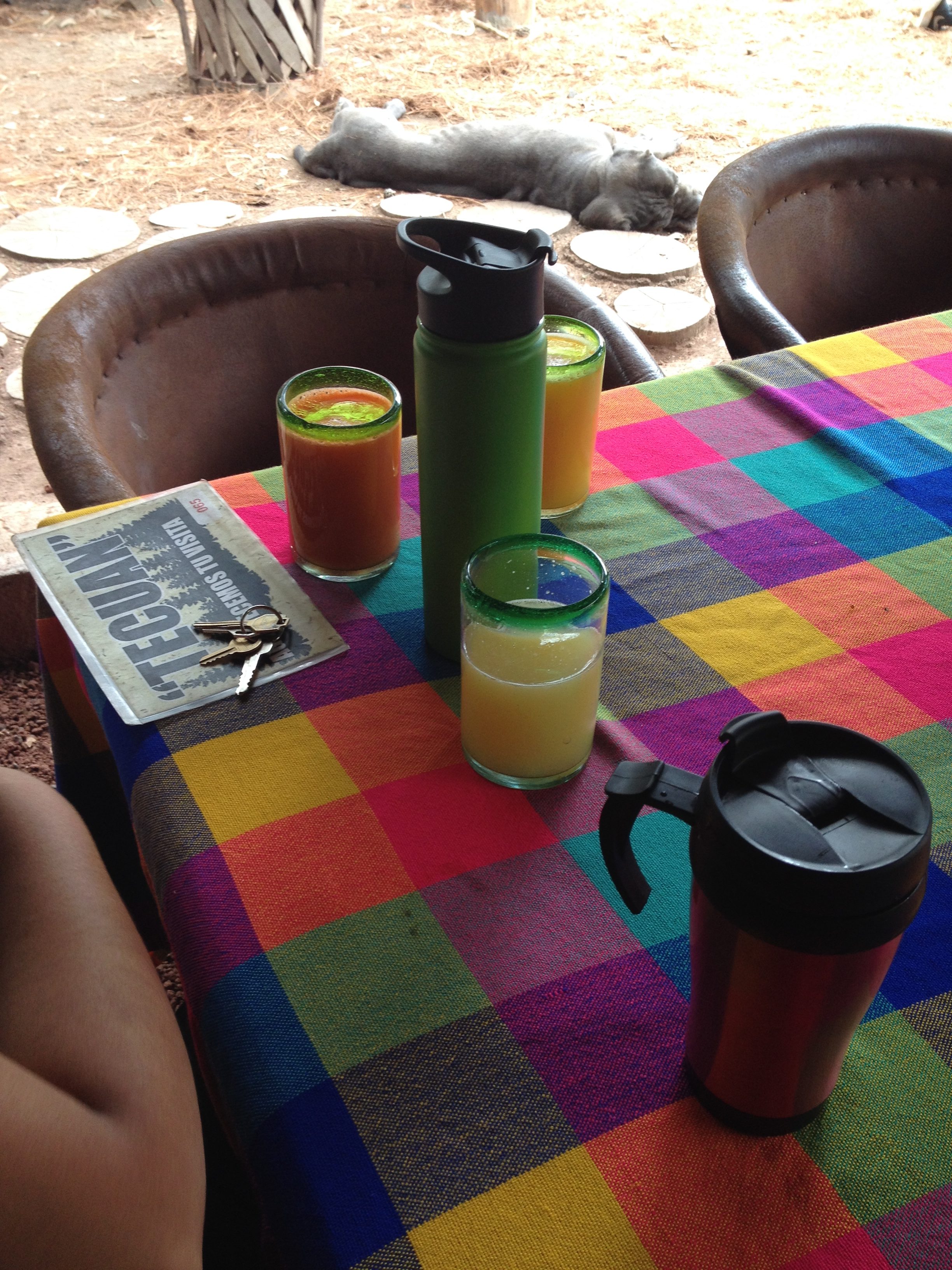
Juice and coffee stop

Kitzia loves this pup

Photograph the photographer – What a love

It just doesn’t get any sweeter than this.

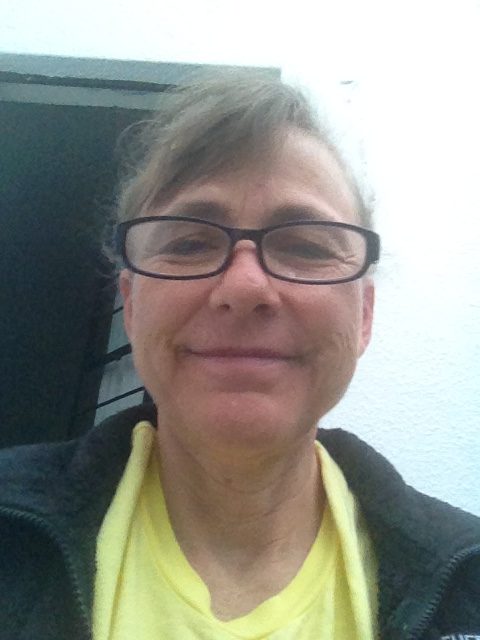
Aren’t I photogenic?

The Crew – Day 2

Trauma Therapist Podcast – Interview

I was recently interviewed by Harvard-trained Guy McPherson of the Trauma Therapist Podcast.  I highly recommend his creative endeavor, which you can check out here. He is truly inspired, seeing that people first starting out on the road to being effective therapists can and should draw on the wisdom of others who were once beginners too.

Listen to my interview here.